
The Fight to Preserve the Old Faith
The King's CurseThis thread traces Margaret’s religious allegiance from the family’s monastic refuge through the dissolution of religious houses and the failed hope of restoration.
increasing Bearing strength in each event
 decreasing
Bearing strength in each eventdecreasingA Refuge in Religious Houses
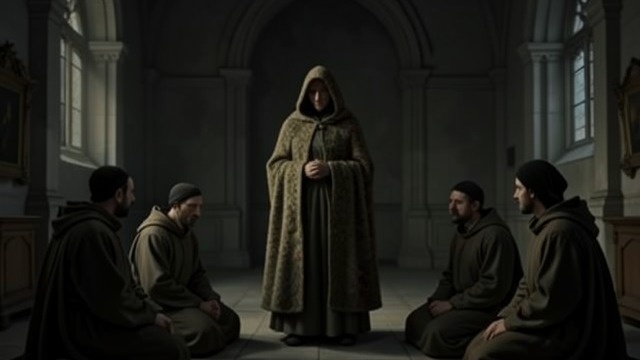
Shelter and Separation
Abbey Refuge
When poverty overwhelms her, Margaret finds sanctuary at Syon Abbey for herself and two children, while Reginald enters nearby Sheen Priory.
The Church as Support
The religious houses provide shelter, food, learning, and community. Their value becomes personal rather than merely ceremonial to Margaret.
The Church Comes Under Royal Rule
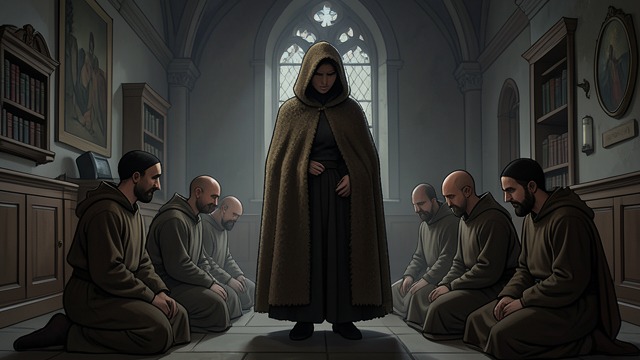
A Constitutional Break
Submission of the Clergy
Henry asserts control over church law and revenue in England. Margaret and Mary recognize that the struggle over Katherine’s marriage has become a struggle over religious authority.
Public Conformity
Margaret warns that the matter belongs to churchmen, yet sees many clergy yield rather than risk their positions. Outward compliance conceals mounting fear.
The Monasteries Investigated
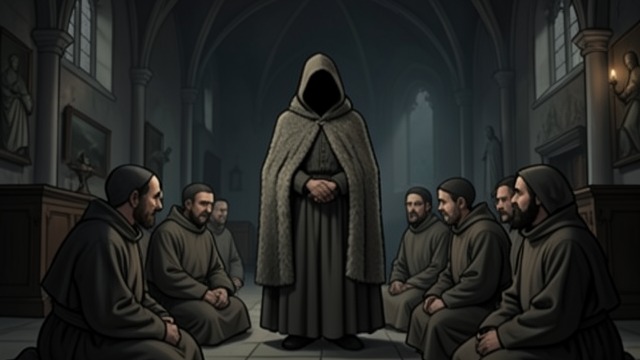
A Visitation with Consequences
Inspection
Thomas Cromwell’s agents survey religious houses and their property. Margaret fears the inquiries are designed less to reform than to seize wealth and dismantle institutions.
Bisham Challenged
Visitors demand control over Bisham Priory. Local people resist, and Margaret persuades them not to provoke a reprisal they cannot survive.
The Northern Rising
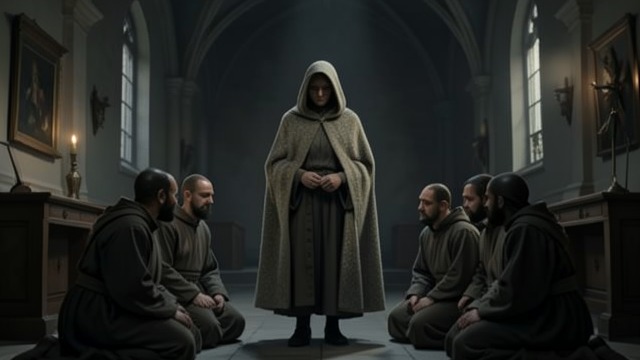
A Pilgrimage in Arms
Religious Grievance
The Pilgrims of the Pilgrimage of Grace march to defend monasteries, customary religion, and political counsel by the old nobility. Margaret recognizes their cause as her own.
A Risky Hope
Her sons join the royal musters while secretly sympathizing with the movement. The rebels’ immense support suggests that the government may be forced to listen.
Restoration Denied
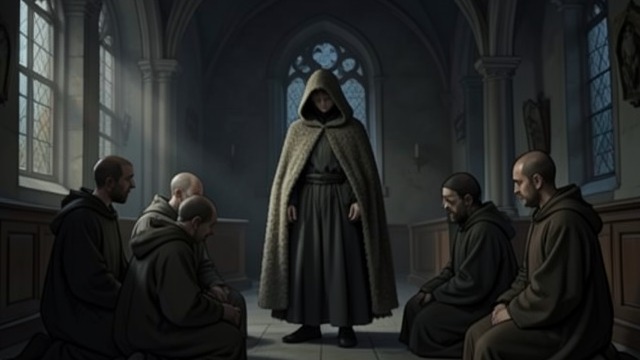
The Promise Reversed
Reopening and Repression
After an apparent agreement, some religious houses reopen and Margaret hopes that the Church has been saved. Royal reprisals soon close them again and execute leaders such as Robert Aske and Thomas Darcy.
A Brief Exception
Henry allows Bisham Priory to reopen as a chantry for Jane Seymour, but Cromwell soon closes it again. Margaret concludes that royal religious policy can reverse itself at whim.
1506
1532
1535 to 1536
October 1536
1537
